Posts

Showing posts with the label storylab

Week 15 Storylab: Writer's Write
Image
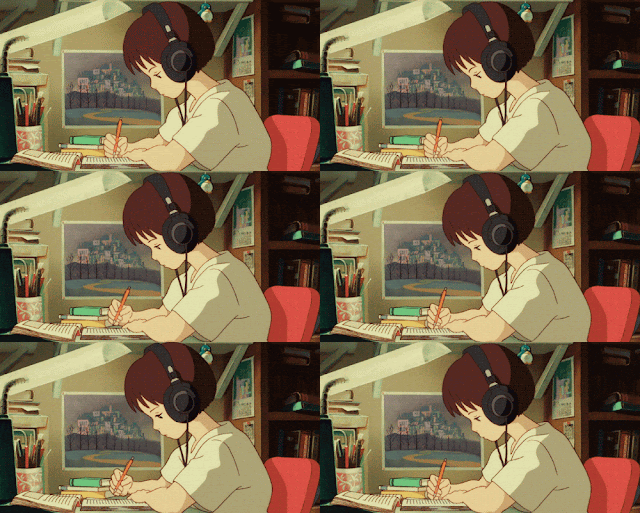
GIF from Whisper of the Heart , 1995 The Theme What is a theme? 1. The central idea of a story. 2. A full statement of the story. 3. Summarizes the human condition within the story. Why is a theme necessary? 1. Can be used to check if every scene fits the story. 2. Keeps the plot in check. 3. Drives the story forward. 3 Steps To Help You Find Your Story’s Theme What is the story about? What is the meaning behind the story? What is the lesson? These allow the writer to plot their story, write the actions and reactions within the story, and to make a statement on the human condition within the story. Bonus: The Lajos Egri Theme Cheat Sheet Lajos Egri was the author of The Art of Dramatic Writing and The Art of Creative Writing, which has been referenced for playwriting, short stories, novels, and screenplays. Egri uses a formula to find the theme in his writing: (blank) leads to (blank). For example, a woman making a new life with her partner in a foreign country leads to her reali...

Week 14 Storylab: Writer's Write

Image
Image Source 4 Top Tips To Get You Through the Middle of Your Book Writing Fear The middle of a story shows us how successful our plot and characters will be, which may deter us from the writing process. Some ways to overcome this fear are listed below. 1. Build in windows of opportunity  -Move information from the beginning of the story to the middle -Helps to expand the plot and avoid dead-ends 2. Build a bridge -Understand the defining events of the beginning, middle and end of a story -Similar to a plot pyramid (see Freytag’s analysis) , the bridge helps us recognize the middle of our story 3. Exploit your theme -Use your theme as a guide for writing the middle section -Build a sub-plot or main-plot based on the central idea of your story 4. Dig a little deeper -Use research to help write your story -Some information can be used later as a major plot point

Week 12 Storylab: Writer's Write

Image
Image Source 5 Must-Try Time Management Methods For Writers 1. Beat The Clock Set a timer for one hour Write for a full hour and stop when the timer goes off Push yourself to write 10% more next time Aim to write 500 words an hour Use this method if you like a challenge or compete with yourself 2. Bask In The Task Try the Pomodoro technique (the Italian word for “tomato”, taken from a tomato-shaped timer and coined by Francesco Cirillo) Type in 25 minute intervals with 5-10 minute breaks in between After 4 cycles, take a long break Use this method to break your day into smaller tasks 3. Make A Meal Of It Just as we have set meals and snacks throughout the day, have set times for writing Write 500 words at breakfast Write 1000 words at lunch Write 2000 words at dinner Write 250 words during snack intervals Use this method if you like routines or writing while you eat 4. Midnight To Morning Set your alarm for midnight Write between midnight to sunrise for 4-5 hours Drink somet...

Week 10 Storylab: Writer’s Write

Image
A red dragon as seen in D&D Fantasy (n): The faculty or activity of imagining things, especially things that are impossible or improbable. Fantasy Fiction: A popular genre that involves fantasy universes, world building, myths, magic, and other-worldly creatures. Typically the story will follow the protagonist as they progress through the main quest. Sub-genres of Fantasy: Children’s Fantasy: children’s literature with fantasy elements. Comic Fantasy: focuses on humor and comedic tone in fantasy. Fairy Tale Retellings: fairy tales retold with the same structure, different elements. Fantasy Romance: focuses on relationships (social, political, romantic) in fantasy. Gothic Fantasy/Dark Fantasy: incorporates darker or frightening themes in fantasy. Grimdark Fantasy: incorporates a dystopian, amoral or violent tone in fantasy. High Fantasy/Epic Fantasy: focuses on the epic nature of a fictional world in fantasy. Historical Fantasy: represents fictitious versions of an era. ...

Week 6 Storylab: Writer's Write

Image
Too Much Internet 3 Ways Too Much Social Media Can Hijack Your Creativity Social media can create ubiquity. Or, where the algorithm of social media becomes commonplace and creates an “echo chamber” of streamline thoughts. Social media can create literary anxiety. Comparing ourselves to famous writers, celebrities and platforms and falling trap to what’s mainstream, rather than authenticity.  Social media creates distraction. Finding oneself easily distracted by social media can kill your creativity. I’m guilty of being distracted by social media, and at one point it was a good distraction from the art block I was going through. It was hard for me to feel inspired and create things, which I found very anxiety inducing. Fortunately, I discovered “The Artist’s Way” by Julia Cameron, which guided me through twelve weeks of creative and personal activities. During that time, I found that being on my phone constantly sapped my creative energy. I was moti...

Week 4 Storylab: Writer's Write

Image
Illustration by Hiroshi Nagai 5 Unexpected Ways to Fuel Your Story Driving Record your thoughts while driving for inspiration. Walking, Running, Swimming Try physical activity to fill your subconscious with creativity. Listening to Music Listen to music while working to set the mood. Reading Relaxed reading can inspire your brain. Dreaming Write down your dreams and allow your subconscious to solve your writing. Notes I might rename number 2 as “fitness” or “physical activity” to keep it short and sweet, but it might have turned away those who loathe the idea of working out. I dislike running and curse whoever invented it, but swimming I can do. It’s pretty relaxing.  Music is a great tool for tapping into writing, though the genre also affects how well I write that day. One day I might listen to electroswing, and the next could be chillhop. I definitely won’t be listening to a podcast while writing—that’s reserved for when I’m makin...